A very interesting article that I bring from another blog, about the possibility of contact, porterage and lactation interesnte to read and think, enjoy it!
Breastfeeding and porteringSome time ago I was given the gusting wind and decided to invest in one of those books that mentioned in any literature that claims about breastfeeding: the Lawrence [read with awe and deep voice] ;-)
 |
| I, Luca Galuzzi, via Wikimedia Commons |
Anyway, it's not that I have read it from cover to cover ... I'll have time. But I've been looking through and reading the parts that I have been interesting results. In the chapter "Psychological impact of breastfeeding," he drew special attention to the section on body contact and cultural tradition, especially because I knew I was going to like some of my sensei in this breastfeeding (and if you knew, at least I've thought of you).
As I was saying, I miss the bush. In this section, Lawrence & Lawrence (which is not only the Lawrence, is that it is also Lawrence squared) state that in women, breast-feeding behavior is highly variable between different cultures, both reglamentarizan com start and completion rate of breastfeeding according to beliefs, attitudes and values \u200b\u200bthat make each culture.
The degree of body contact that allows a given culture estalbece a fundamental difference between the different cultures. Simpson-Herbert has described the degree of mother-infant body contact such as physical and social distance that women have with regard to their newborns. The physical distance is seen as a reflection of social distance approved by the corresponding culture.
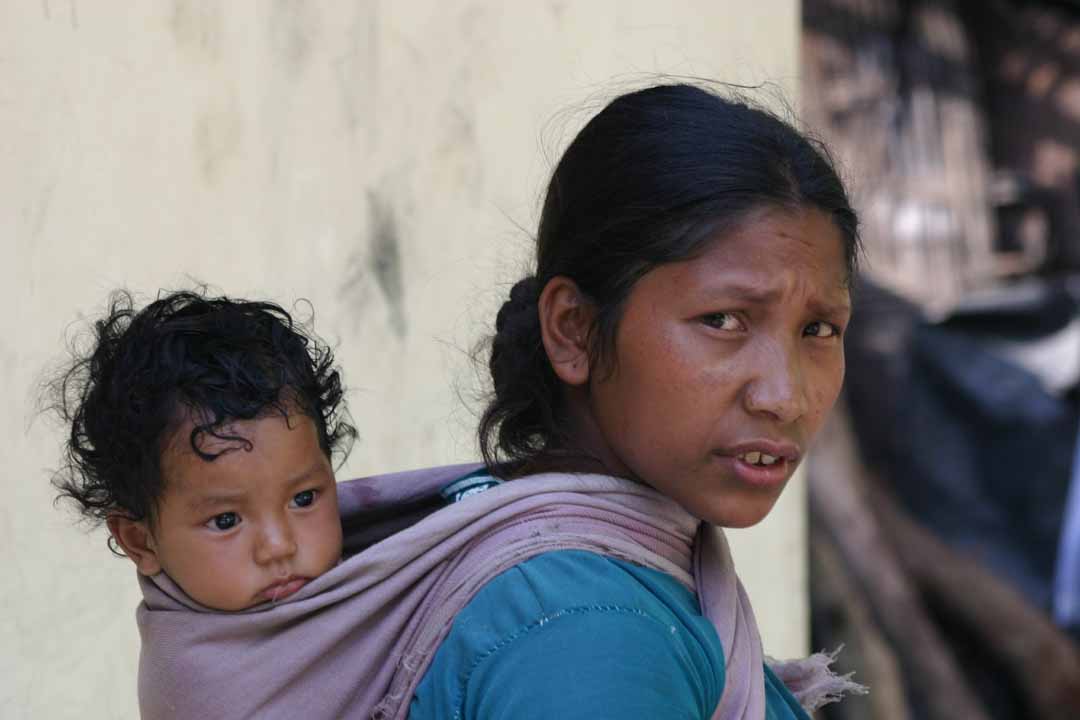
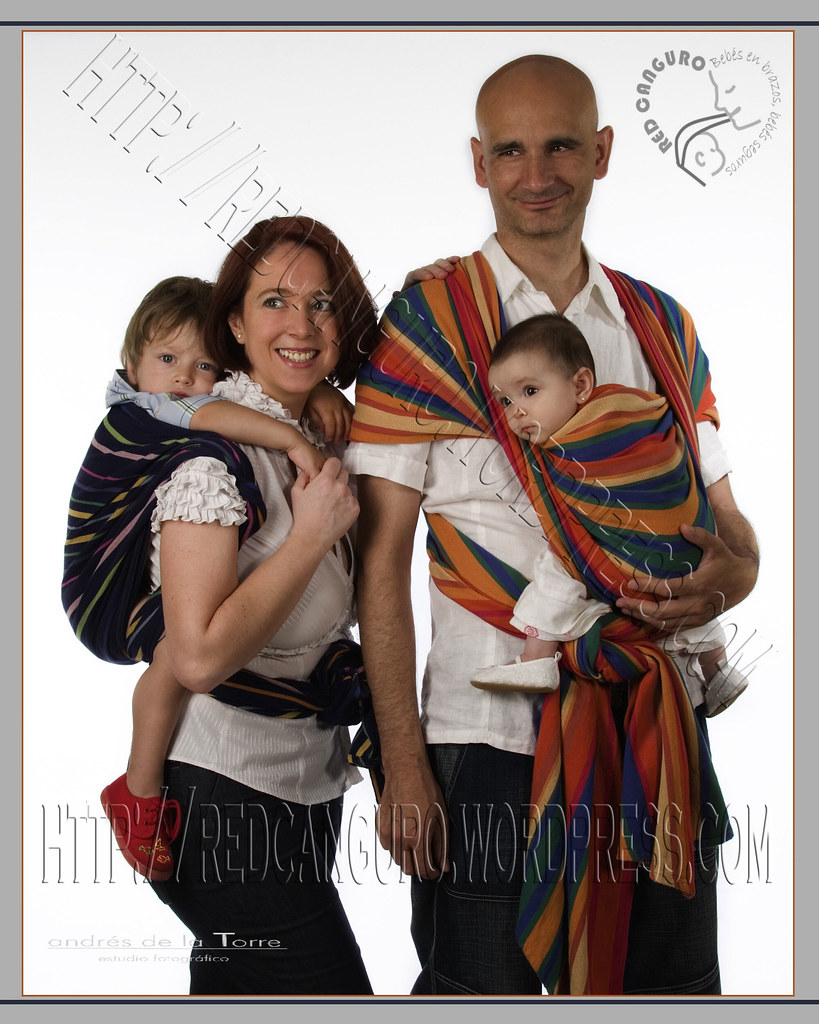
Thus, different cultures make different patterns "right" to hold the baby: in arms, sling, in a crib or a cart, etc.. The dress of the newborn and the mother (type and amount of clothing and possible acceptance of the exposure of the breast), the place to stay when not in your arms (cot, favorites, swing, soil, etc.) and the place where you spend the night (bed paternal cot, different room) are also certain cultural aspects that influence breastfeeding, especially in the frequency and duration of feedings.
The effect of increased transport of the infant was evaluated by Hunziker and Barr in a group of primiparous women who gave Montreal breastfeed their children. It was noted that in industrialized societies crying pattern of normal infants increased to 6 weeks of age and continued with an equivalent reduction to 4 months, when most of the crying occurs late in the afternoon. The researchers had the study group families will increase the maintenance or transport of infants in arms or in a carrier for at least three hours a day, while infants in the control group remained in the home or sitting in the light . At 6 weeks there has been a cry significantly less (43%) in infants "Support", especially during the later afternoon. Similar differences were observed, aunue lower at 4, 8 and 12 weeks.
 |
| In Ernst Krause, via Wikimedia Commons |
Finally, before proceeding to the consideration of co-sleeping, the book mentions an anthropological study of Whiting in which studied how 60 social groups approached the mother-body contact infant. Based on their observations, classified the different cultures in levels of intense physical contact or low, according to the following table:

 |
| Steve Evans (Bangladesh, India), via Wikimedia Commons |
N. B. (Note Blogger): I changed the words "stock" and "soft bags" for carriers. I guess in English the term used is "pouch", named after a type of carrier, but also a term that designates the pouch of marsupials (like kangaroos).
Source: motherhood different




 BACK TO


